
Seattle August Garden Tasks: Preserve, Cut, Rest, and Compost
Updated: Sep 10
A mid-August walk through my Phinney Ridge beds, from this morning's harvest basket to the compost pile I have been ignoring.
Your Seattle August garden tasks come down to four things happening at once: get the last fall crops started, deal with the surplus before it goes soft, cut some of the garden for the table, and turn your compost while it is still warm enough to work. Mid-August is the strangest point in the whole year. I picked a basket this morning with cucumbers and peppers in it sitting right on top of kale and collards, summer and fall in the same basket, and underneath all of it the garlic and onions I pulled and still need to cure.
Here is how all of that looks in my beds this week.

There Is Still Time, But It Is the Fast Crops Now
Start the quick, direct-sown crops this week and stop agonizing about the slow ones. The brassica starts went into my beds at the beginning of the month, and that window is closing. What is still wide open is everything you can scatter straight into the soil and harvest young: arugula, corn salad, spinach, radish, and winter lettuce. These are forgiving. They germinate fast in warm soil, they do not need a heated mat or a windowsill, and they will give you something to pick well after the summer beds are finished. Kohlrabi is the one exception worth squeezing in, because it comes on fast enough to still make it.
The trick right now is water, not timing. The soil is warm enough that seed comes up in a few days, but the top inch dries out by mid-afternoon in this weather. I water new seeded rows lightly morning and evening until they are up, then back off to a slow, deep soak. If you sow into dry soil and check back in a week, you will find nothing, and you will blame the seed.
Every bed I clear of a finished summer crop gets something back the same day. A pulled bean row is not an empty bed, it is a free seeding opportunity, and empty soil in August is a wasted three months.
If you want the actual sow-by dates for our region instead of my general timing, that is what the Seattle Fall Garden Guide is for. It has the frost tables and sow-by charts for Zone 8 to 9a, so you can see for yourself what still fits and what has to wait until spring.
https://www.palatinogardenadventures.com/product-page/seattle-fall-garden-guide

Deal With the Glut Before It Deals With You
Preserve in small batches on the same day you pick, and do not wait for a free weekend. The free weekend never comes, and by then the cucumbers are soft and the tomatoes have split.
Cucumbers are the easiest. Quick refrigerator pickles take about ten minutes: slice them, pack them into a clean jar with dill, garlic, and a few peppercorns, pour over a hot brine of vinegar, water, salt, and a little sugar, and refrigerate once they cool. They are ready the next day and they keep for weeks. No canner, no processing, no fear of doing it wrong.
Zucchini I grate and freeze flat in bags. Squeeze out the water first, or you will be disappointed in January when you thaw a bag of soup. Frozen grated zucchini goes straight into bread, fritters, and sauces without thawing.
Tomatoes get roasted. Halve them, put them on a sheet pan with olive oil, salt, and whole garlic cloves, roast them slowly until they collapse, then freeze them in portions. This is better than freezing them raw and much less work than making sauce.
The Hungarian wax peppers (ooops...I mide a tiny mistake in the first edition: that pepper was a Banana Sweet variety!) go on the same sheet pan, because they carry just enough heat that roasted peppers and tomatoes together are most of the way to a salsa already.
Garlic and onions are the other August job, and those two do not want a jar, they want air. Once you pull them, spread them out somewhere dry and shaded with air moving through, in a single layer or tied into bunches, and leave them for a couple of weeks until the necks are dry and the skins go papery. Do not wash them and do not cure them in direct sun. Done properly they keep for months in a cool cupboard, which is about as close to free food as you will get all year.
Herbs are worth ten minutes too. Basil freezes well chopped into ice cube trays with a little olive oil, and mint and lemon balm dry easily on a screen out of direct sun. Both will be running out of steam soon, so cut them hard now.


You Do Not Need a Cutting Garden
Cut your bouquets out of the beds you already have. Almost nobody does this, and it is the cheapest good thing available to you in August, when everything is tall and a good part of it is heading toward the end of its season anyway.
Nothing in my vase this week was planted for cutting. Oregano, mint, and verbena do the work of filler and they smell wonderful on a table. Ornamental grasses give you height and a bit of movement. Bolted lettuce sends up a tall pale flower stalk that looks far better in a vase than it does standing in the bed, kale flowers are bright yellow and last for days, and poppies, calendula, and nasturtiums round the whole thing out. Anything tall enough to cut is a candidate.
Cut early in the morning while the stems are still full of water, and strip any leaves that would sit below the waterline, because those are what turn the water cloudy by day two. Herbs and grasses hold themselves up well. Bolted vegetable stalks are floppier than florist stems, so give them something to lean on, either a vase with a narrower neck or a few sturdy stems put in first to build a frame for the rest.
Here is the part that matters beyond the flowers. A bolted plant is not a failed plant. It is a flower, then it is seed you do not have to buy next spring, and in the meantime it is feeding every bee in the neighborhood. Cutting a few stems off it costs you nothing at all.

Sit Down in Your Own Garden
Put a chair in the garden and actually use it. I am serious about this one and I am also bad at it, because when I walk into the beds I immediately start working.
August evenings here are the best of the whole year. The light goes gold and low around the time the heat drops, and if you sit still for twenty minutes you start noticing what is going on around you instead of what is on your task list. The birds come through the sunflower heads I left standing for them, the bunnies stay out on the grass where they belong, and the raccoons come around later to knock over anything loose. These are the same birds that strip my grapes in a single night, and somehow they are much easier to like from a chair.
None of that is visible if you are moving. This is the whole reason I plan the garden the way I do, with a small number of tasks per day instead of a giant Saturday list. A garden that is planned properly gives you one or two things to do and then leaves you alone. A garden that is not planned takes every hour you have and still feels behind. If you feel like you are losing to your garden, that is a structure problem, not a discipline problem.
Go and sit down. The weeds will be there tomorrow.

The Seattle August Garden Task Everyone Skips
Turn your pile now while it is warm, and water it as you go. Compost stalls in a dry Seattle August far more often than it stalls in winter, and a dry pile is not composting, it is just storage.
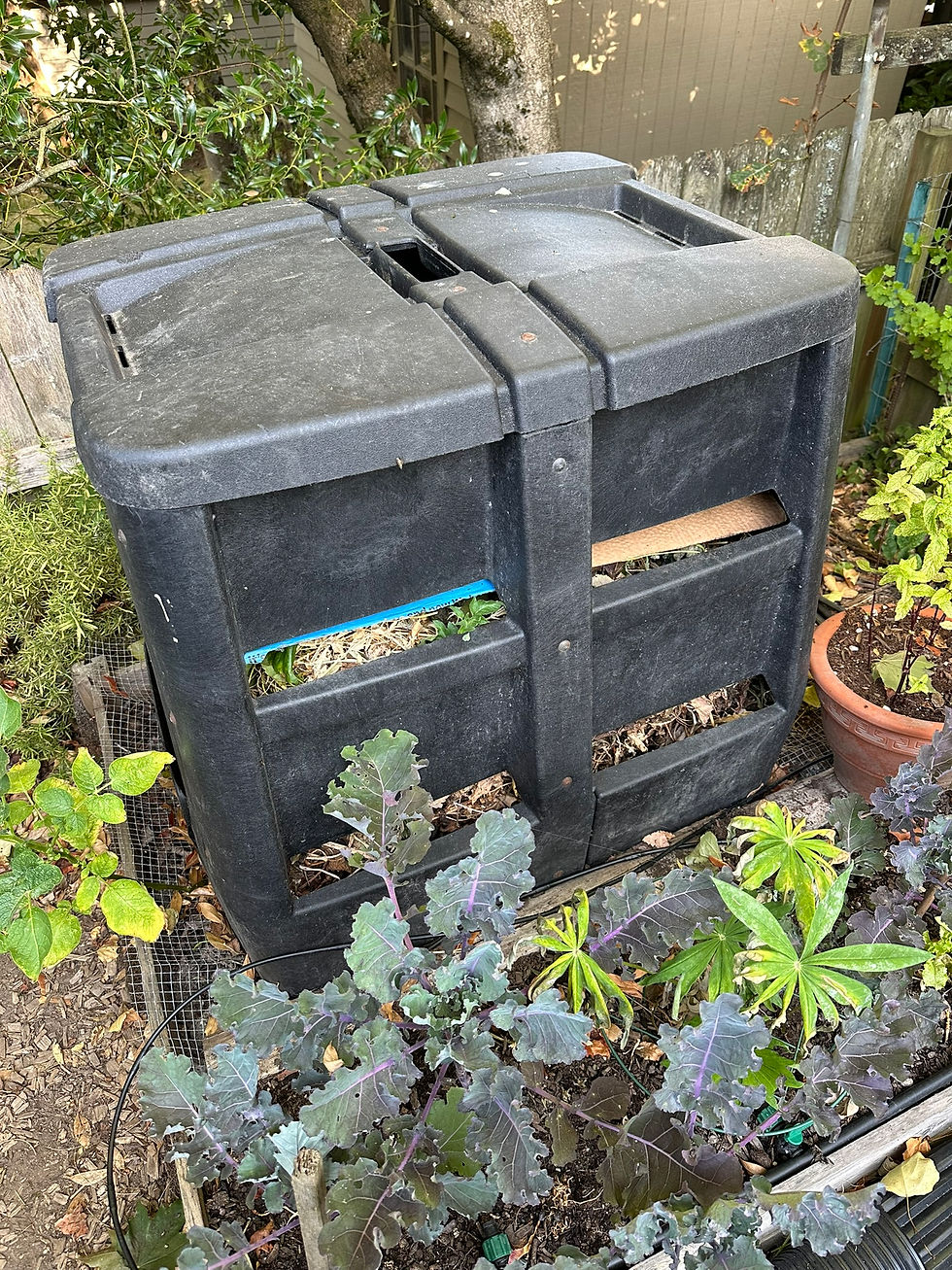
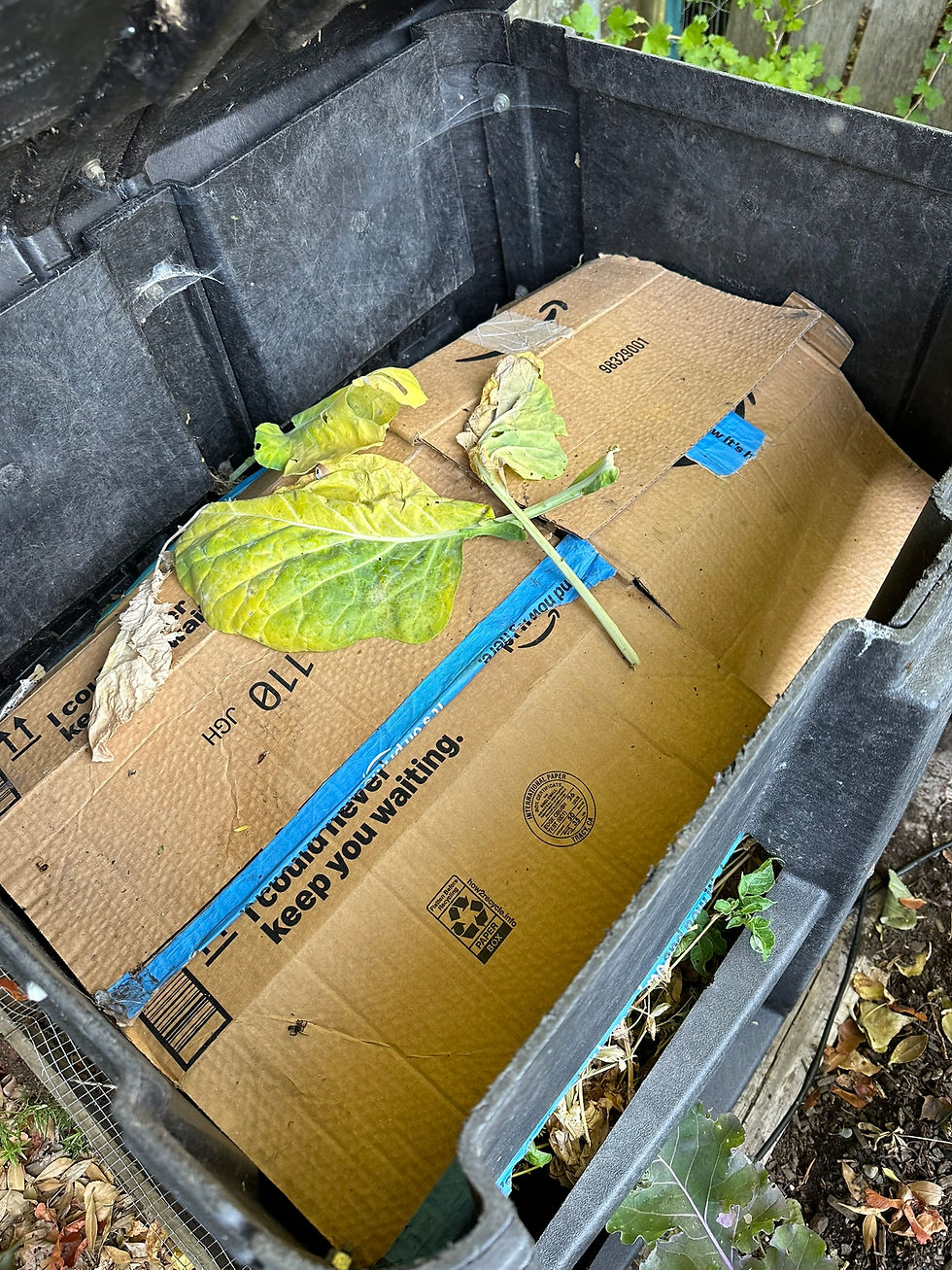
I run two systems and they do different jobs. The first is a semi-open pile, and that one is overdue for a turn. It takes garden material only: spent plants, prunings, grass, leaves, coffee grounds, the seed heads I do not want to save. Critters can get into it, which is exactly why no kitchen scraps ever go in there. Putting food waste into an open pile in a Seattle backyard is an invitation, and I already lost a whole carrot bed to rats this summer. I do not need to make it easier for them. The second is a closed, critter-proof bin that has turned into something closer to a worm bin over time. All the kitchen scraps go there: vegetable trimmings, peels, coffee filters, crushed eggshells. No meat, no dairy, no oil.
When you turn the open pile, look at the balance. If it is slimy and smells sour, it has too much soft green material and needs dry leaves, straw, shredded cardboard, or wood chips mixed in. If it is dry and nothing is happening, it needs water and something green, like fresh grass clippings or spent plants. I also use a stinging nettle ferment as an activator, which is a very German thing to do and smells absolutely terrible, but it works.
For a small urban backyard you do not need much space. A closed tumbler in a corner, a worm bin under cover on a balcony, or one bin of each type like mine is plenty for a household. If you are not composting at all yet, the city yard waste bin still beats the landfill, so start there.
Tell me what you are doing with your kitchen scraps right now. I would like to know, because most people either have a system they never talk about or none at all.

Coming Up Around Seattle
A few things worth looking up if you want to get out of your own garden for an afternoon. Tilth Alliance has a run of classes over the next two months that line up almost exactly with what I have been writing about here. Make Homemade Pickles is on August 20, which is the hands-on version of the cucumber problem I just described, and Fundamentals of Organic Gardening follows on August 28. After that it turns toward fall with Fall Container Gardening on September 12, Put Your Garden to Bed on September 17 and again on October 8, and Grow Great Garlic on October 14. That last one is the class to take if you have never planted garlic, because getting it in the ground at the right time is most of the battle. Their full calendar is at tilthalliance.org. Dunn Gardens up in North Seattle also runs guided tours, and if you have never been, check their schedule and make the trip.
My own Founder’s Garden Tour runs monthly on a Saturday afternoon. It is free, and it is capped at twelve people so everybody gets to ask their own questions. Founder’s Garden Tour booking page
And if you want the fall planting worked out for you instead of guessing at it, the new 2026 Seattle Fall Garden Guide is here: https://www.palatinogardenadventures.com/product-page/seattle-fall-garden-guide
That is mid-August in my garden: pickling, curing the onions, cutting a few stems for the table, sitting still for a bit, and finally turning that compost pile. If you are stuck on what still has time to go in the ground, I am here for you.
Happy August gardening.
Jackie
Palatino Garden Adventures
💡 Take this mini quiz to find out what kind of kitchen gardener you are
August & September slots are now open for both the Executive Blueprint and one-on-one consultation sessions. Book yours now before they are gone, so we can plan your beds while there is still season left to plant.
→ The Blueprint is the full design phase - soil assessment, crop selection, succession plan, and layout - everything covered in this post, done for your specific space. Book here.
→ Consultation sessions are a good fit if you want to work through one piece of it yourself with guidance. Either way, the late summer planting window sets the deadline for your Seattle Fall Garden, and spots fill before it arrives. Book here.


Comments