
Mid-May in the Pacific Northwest Kitchen Garden: What to Plant, What to Fertilize, and What to Watch For
Mid-May is the real opening of the season for the Pacific Northwest kitchen garden. Soil temperatures have climbed into the 60s, the last frost is behind us, and the warm-season crops that have been waiting in greenhouses, cold frames, and on windowsills can finally go where they belong. It is also the moment when slugs, fertilizer questions, and struggling fruit trees all show up at the same time. This guide walks through six areas worth attention this week, organized the way a working kitchen garden actually runs.
Veggies and Herbs: What to Plant in the Pacific Northwest Kitchen Garden This Week
This is the planting window for peppers, cucumbers, squash, and basil in Zone 8 and 9a. Each one has a different right approach.
Peppers need warm soil and warm nights to actually grow, not just survive. In Seattle and much of the western PNW, that combination is unreliable until late May or even June. A greenhouse, hoop house, or even a cold frame extends the season by weeks and produces noticeably better fruit. In my own garden, peppers stay in the greenhouse for that reason. Outdoor pepper plants in mid-May often sit and sulk until July.
Cucumbers grow well from direct seed once soil is above 60 degrees. Direct seeding produces a stronger root system than a transplant and avoids transplant shock entirely. Sow them at the base of a trellis, water in, and they will catch up to nursery starts within a few weeks.
Squash and zucchini are simple once warm weather arrives. One zucchini plant feeds most households for the whole summer. Three plants will produce more than any family wants to eat. Give each plant at least three feet of space, because they will use every inch.
Basil is the most weather-sensitive of the herbs. It wants warm days and nights consistently above 50 degrees. Plant it once those conditions are stable, not before.

Fruit and Wild Fruit: Berry Bed Fertilizer is Not One Question
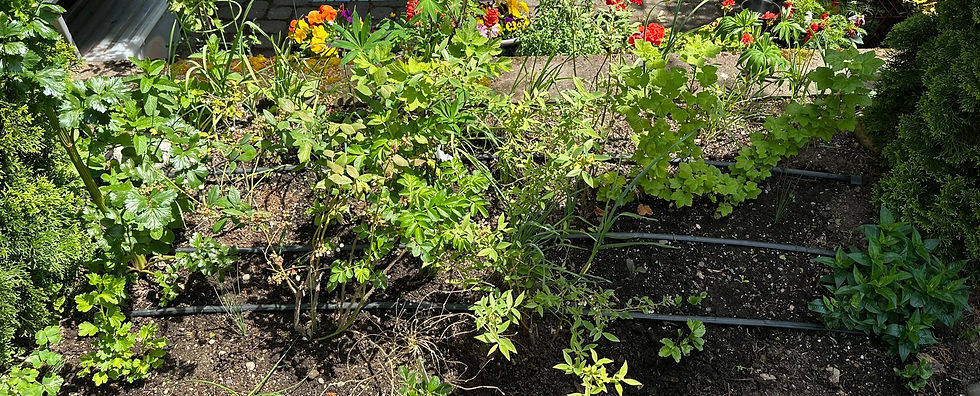
A common kitchen garden setup is a single berry bed planted with a mix of small fruits: blueberries on one end, gooseberries or currants on the other, sometimes raspberries or strawberries filling in. The plants share space well. They do not share fertilizer needs.
Blueberries require acidic soil, ideally a pH between 4.5 and 5.5. In standard PNW garden soil, blueberries will slowly decline without intervention: yellowing leaves, weak new growth, and reduced fruit set. They need an acidic fertilizer formulated for them and an annual mulch of pine needles, shredded oak leaves, or coffee grounds to maintain pH.
Gooseberries and red currants prefer neutral to slightly alkaline soil and respond well to compost alone. Heavy nitrogen feeding pushes leafy growth at the expense of fruit, so feeding them as if they were vegetables is counterproductive.
Raspberries fall in the middle: slightly acidic to neutral soil, regular compost, and a nitrogen boost in early spring as they leaf out.
In a mixed bed, the practical answer is targeted side-dressing rather than broadcasting a single fertilizer across the whole space. Compost and worm castings can go everywhere as a baseline. Then the blueberries get their own acidic fertilizer and acidic mulch, placed directly around their root zone.
The honest planning lesson: if you are designing a new berry bed, give blueberries their own container or their own corner with their own soil. Mixed beds work, but they require more attention to keep every plant happy.
Flowers and Trees: Sunflowers Now, Fruit Trees Under Observation
Sunflowers go in by direct seed this week. They establish faster from seed than from transplant and grow with very little intervention once they germinate. Choose a spot with at least six hours of direct sun. Push seeds an inch into the soil, water in well, and protect the seedlings from slugs for the first two weeks. After that they are largely self-sufficient.
Fruit trees are the harder topic this month. A tree that looked fine through winter can come into spring looking weak, with sparse leaves, dead branches, and reduced flowering. This is the right time of year to assess and respond, before summer stress compounds the problem.
A useful diagnostic walks through four questions in order:
Is the tree getting enough sun? Trees that were sited correctly years ago can be shaded out as surrounding trees, fences, or buildings grow. Fruit trees generally need six or more hours of direct sun to thrive. If shade has crept in, the tree will not recover until it is moved or the shade is reduced.
Is the soil draining well? PNW winters are wet. Trees in heavy clay or poor-draining sites develop root issues that show up as weak spring growth. Check for standing water after rain and dig a small test hole near (not into) the root zone to see how saturated the soil is.
Is there visible disease or pest pressure? Common PNW fruit tree issues include bacterial canker on cherries, brown rot, leaf curl, and aphid infestations. Look for sticky residue, gummy bark wounds, curled or discolored leaves, and dieback on specific branches rather than throughout the tree.
Is it the tree, or is it the season? Some trees go through a weak year after heavy fruiting the previous season, or after a hard winter. One bad spring does not necessarily mean a dying tree.
The right response in most cases is conservative. Prune out clearly dead branches with clean, sharp tools. Avoid heavy fertilization on a stressed tree, which can push weak new growth the tree cannot support. Improve drainage if drainage is the problem. Wait, observe, and make one change at a time.
In my own garden, a five-year-old sour cherry is going through this diagnostic right now. Prune the dead wood first, observe, then decide what else is needed. Panic-fertilizing a struggling tree is one of the most common mistakes in home gardens.


Animals, Critters, and Nature: Slug Pressure is at Peak
Slugs are the defining pest of the PNW kitchen garden in May. Wet spring soil, warming temperatures, and tender new growth create ideal conditions, and basil, lettuce, and young squash starts are usually hit first. Slug control is most effective when it starts the same day planting starts, not after damage is visible.
Three approaches work well together:
Wooden boards laid flat on the soil between plants create overnight hiding spots. Flip the boards in the morning and remove the slugs sheltering underneath. This is the lowest-effort, no-cost option and works particularly well in PNW conditions where slugs are abundant year-round.
Yeast or beer traps are shallow containers set into the soil so the rim is at ground level, filled with a couple of inches of water and a teaspoon each of sugar and yeast, or with cheap beer. Slugs are attracted, fall in, and do not escape. Empty and refill every few days.
Physical barriers like copper tape or crushed eggshells around individual plants provide a second line of defense, especially for high-value crops like basil and dahlias.
Metaldehyde-based slug baits are toxic to dogs, cats, and birds and should be avoided in any garden where pets or wildlife are present. Iron phosphate baits are less toxic but unnecessary in most kitchen gardens where the methods above work reliably.
In my own garden, basil planted last weekend was slug-damaged within 48 hours. The boards-and-traps combination cut the damage to almost nothing by the end of the first week.

Knowledge Base: Building a Tea Garden in a Small Space
A dedicated tea bed is one of the highest-value uses of a small kitchen garden space. The herbs grow well in PNW conditions, return year after year, and produce far more than most households can use fresh.
For a starting tea garden, five herbs cover a wide range of flavors and traditional uses:
Peppermint is the workhorse of the tea garden. Strong flavor, vigorous growth, and traditionally used as a digestive after meals. Important note: peppermint spreads aggressively by underground runners and will take over a bed if planted directly. Grow it in a sunken pot or a dedicated container.
Lemon balm is gentler than peppermint, easy to grow, and makes a soft, slightly citrusy tea. Traditionally used to support relaxation and digestion. It self-seeds readily once established.
Chamomile produces the small daisy-like flowers that make the classic evening tea. German chamomile is an annual that self-seeds; Roman chamomile is a perennial. Either grows well from a spring sowing in Seattle.
Fennel does double duty. The feathery fronds work in salads and broths through the summer, and the seeds, harvested in fall, make a strong digestive tea traditionally brewed after heavy meals.
Calendula is often overlooked for tea. The petals are mild and slightly bitter, traditionally used for soothing, and they make any dried herb blend look beautiful in a glass jar.
None of this is medical advice. These herbs have long traditional culinary use, but anyone with specific health conditions, who is pregnant, or who takes regular medication should consult a doctor before adding herbs to a daily routine. Peppermint in particular is a strong herb and is not right for everyone, including some people with acid reflux.
For drying and storage, harvest leaves in the morning after dew has dried, hang in small bundles or spread on screens in a dark, ventilated space, and store the finished dry herbs in clean glass jars away from light.


Dill, lemon balm, lemon thyme, mint, cilantro, and calendula before the hot water goes in. Each one brings something different to a tea blend, which is why a small tea bed is worth the space it takes.
Service: Where to Shop and What to Look For
A few practical notes on plant sourcing this month.
The best nurseries in the Seattle area carry locally-grown starts, label varieties clearly with PNW performance notes, and have staff who can answer specific questions about Zone 8 and 9a conditions.
West Seattle Nursery is a reliable example: solid selection of healthy, locally-grown vegetable and herb starts, knowledgeable staff, and the kind of place where a real question gets a real answer rather than a script. A small bonus for anyone making a Thursday afternoon trip to West Seattle Nursery: the C&P Coffee Company across the street hosts a ukulele group that plays at 1 p.m. on Thursdays. A coffee, a song, and a stop at the nursery is a complete kitchen garden afternoon.
What to look for in a healthy start, regardless of where you shop: deep green leaves with no yellowing, no visible pests on the undersides of leaves, roots that fill the pot without circling tightly, and a stem that feels sturdy rather than leggy. Pass on anything that has been sitting at a big-box store for weeks without proper watering.
Closing
Mid-May is the most productive planning week of the kitchen garden year. The decisions made now, what goes in, what gets fertilized, what gets protected, set the rhythm for the next four months. Done well, the result is a garden that produces consistently with low daily effort. Done poorly, it is the source of overwhelm that shows up by July.
For anyone working through these decisions in their own garden this month, Palatino Garden Adventures offers consultations for Seattle-area kitchen gardeners. Reach out anytime through the contact page.
Jackie
Palatino Garden Adventures
Grow With Me & Get Monthly Garden Tips:
May & June bookings are now open for both the Executive Blueprint and one-on-one consultation sessions.
→ The Blueprint is the full design phase - soil assessment, crop selection, succession plan, and layout - everything covered in this post, done for your specific space. Book here.
→ Consultation sessions are a good fit if you want to work through one piece of it yourself with guidance. Either way, the spring planting window sets the deadline, and spots fill before it arrives. Book here.


Comments